
Dangerous Phone Chargers Are Being Sold on Amazon, eBay and AliExpress — Here’s What to Know
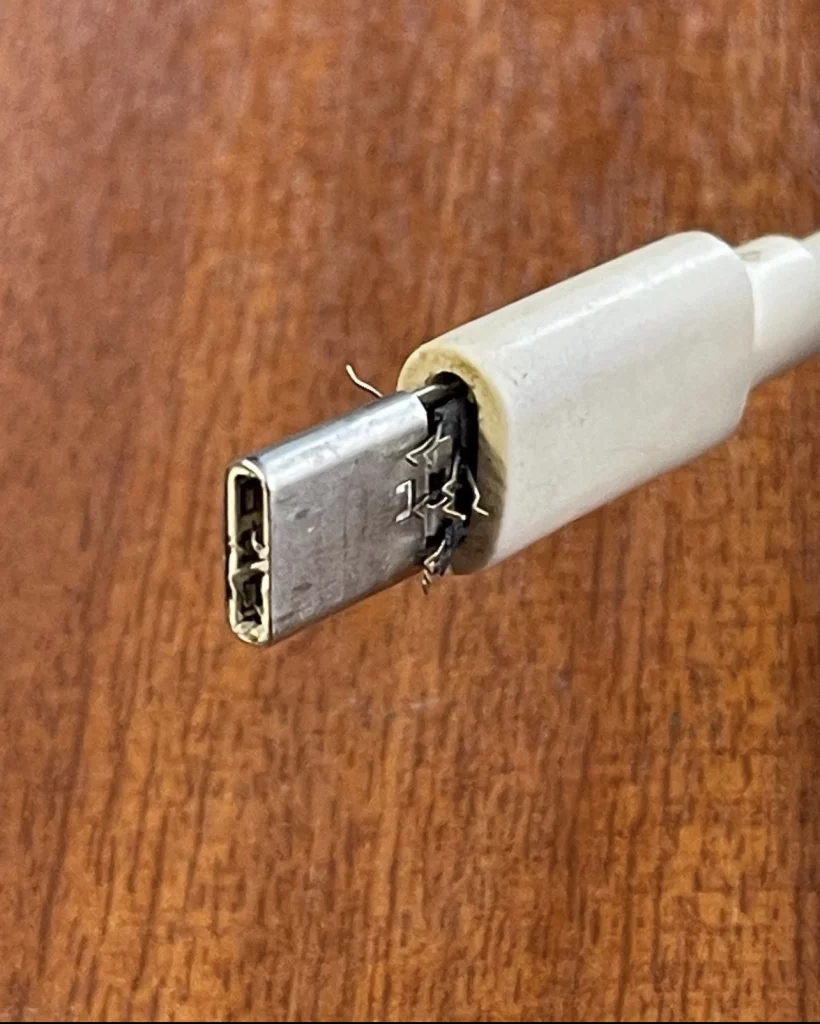
Direct Answer: New research by Which?, published in June 2026, found that 9 of 15 phone chargers bought from Amazon, eBay, AliExpress, B&Q Marketplace and Debenhams posed an electric shock risk — and 8 also posed a fire or explosion risk. Every single charger tested was missing legally required safety information. Two were counterfeit branded chargers: a fake Apple and a fake Samsung.
Key Takeaways
- Chargers from well-known marketplace platforms including Amazon Haul and eBay were found stuffed with modelling clay and metal weights — designed to feel solid while hiding cheap, dangerous internals.
- A fake Apple USB-C 35W charger sold on eBay for £11.99 failed every electrical safety test and overloaded at least one customer’s phone and iPad beyond repair.
- The simple rule: look for a CE or UKCA mark, check for a UK importer address on the packaging, and never trust a suspiciously cheap branded charger from a marketplace seller.
Dangerous Phone Chargers Are Being Sold on Amazon, eBay and AliExpress — Here’s What to Know
We see the results of dodgy chargers regularly. A phone that won’t charge properly, a battery that’s aged years in months, a port that’s been quietly fried by an unstable power supply. Most people don’t connect the two things — but the charger is often the culprit. A new investigation by consumer watchdog Which?, published this month, has put hard numbers on exactly how widespread the problem is, and the findings are stark.
What Which? Found
Which? bought 15 USB phone chargers from major online marketplace sellers — Amazon (including its low-cost Amazon Haul platform), eBay, AliExpress, B&Q Marketplace, Debenhams, Shein and Temu. They then put every one through a rigorous set of electrical safety tests.
The results: 9 of the 15 chargers posed an electric shock risk. Eight also presented a fire or explosion risk. And all 15 were missing legally required information — meaning none of them can be sold in the UK lawfully, regardless of whether they pass electrical tests or not.
What Was Actually Inside These Chargers
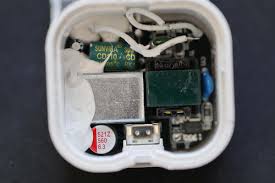
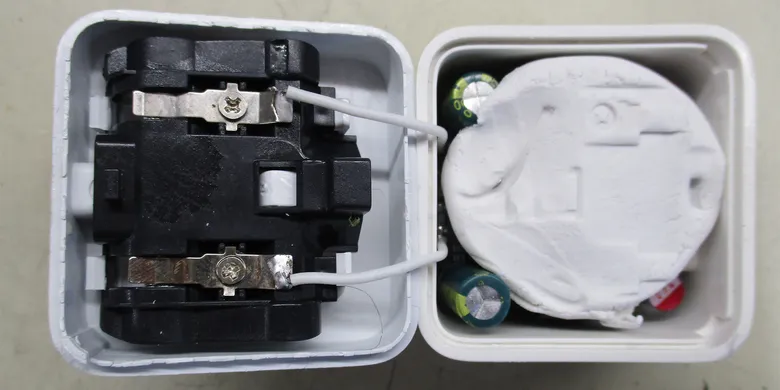
This is the part that should give anyone pause. When researchers cracked open the failed chargers, here’s what they found:
A USB-C charger bought from Amazon Haul for £6.99 had a metal weight stuffed inside to make it feel robust and well-made. It failed electrical safety tests. A charger from Debenhams marketplace — and a fake Apple charger from eBay — were packed with modelling clay for the same reason. Feel the weight, assume the quality. Don’t test it. Don’t question it.
The problem with circuits on many of the failing chargers was fundamental: parts were simply too close together. That causes arcing — electricity jumping across the gap — which is how a charger starts a fire, or sends a surge through your device, or in the worst case, into you.
The Counterfeit Branded Chargers
Two of the fifteen chargers tested were almost certainly fake branded products.
A charger listed on eBay as a genuine Apple USB-C 35W Power Adaptor, sold for £11.99, bore the Apple logo and came in official-looking packaging. It failed every single electrical safety test. Arcing — current jumping between circuit components — was detected within 10 seconds of testing. There was a spelling mistake on the unit itself. Inside: modelling clay. One customer who bought the same listing posted publicly that it had overloaded and permanently stopped their iPhone and iPad from charging.
A genuine Apple 35W USB-C charger costs around £20 from Apple directly. If you see one for £6–12 from a marketplace seller, it isn’t real. We’ve written before about how to spot counterfeit MFi cables — the same principles apply to chargers: suspiciously low price, vague seller details, and missing certification marks are all red flags.
A charger listed as ‘Samsung’, also on eBay for £6.99, arrived in a plain plastic bag with no box and no documentation. Which? believes it’s likely counterfeit too.
The Platforms Involved
| Platform | Chargers Bought | Failed Electrical Safety | Missing Required Info |
|---|---|---|---|
| Amazon / Amazon Haul | 4 | 2 (shock and fire risk) | All 4 |
| eBay | 5 | 3 (including 2 likely counterfeits) | All 5 |
| AliExpress | 2 | 2 (fire and shock risk) | Both |
| B&Q Marketplace | 1 | 1 (failed all tests) | Yes |
| Debenhams | 1 | 1 (modelling clay inside) | Yes |
| Temu | 1 | Passed safety tests | Yes — missing markings |
| Shein | 1 | Passed safety tests | Yes — missing markings |
Following Which?’s investigation, all 15 products were removed from sale by the relevant platforms. But these aren’t isolated listings — they’re representative of a much wider problem that’s persisted since Which? first flagged it in 2019.
Why Your Phone Pays the Price Even If You’re Not Hurt
The worst-case scenario with a dangerous charger is a fire or electric shock. But the far more common outcome is quieter and just as costly: your phone slowly deteriorates.
Cheap, uncertified chargers deliver inconsistent power. Your phone’s charging circuit has to work harder to manage it, and the battery takes irregular charge cycles that accelerate its ageing. You might not notice for months — until the battery that used to last all day is dead by 2pm, or the charging port starts playing up. We’ve covered the true cost of a cheap iPhone cable before — a £2 cable that destroys a charging port ends up costing far more than a genuine one ever would.
And if your iPhone shows the message “This accessory may not be supported” — that’s Apple’s chip recognising that the cable or charger connected to it hasn’t passed MFi certification. It’s not just an annoyance; it’s a warning. We’ve explained what that message means and how to fix it if you’re seeing it regularly.
How to Buy a Safe Phone Charger
The Which? investigation included practical advice that we’d fully echo from our own experience repairing the phones that cheap chargers damage:
Buy from recognised brands through reputable retailers — not third-party marketplace sellers. Every branded charger Which? tested through proper retail channels passed safety tests. Every marketplace seller charger failed in some way.
Look for CE or UKCA marking on both the charger itself and its packaging. These marks mean the product has been verified as meeting UK safety requirements. No mark, no sale — legally and practically.
Check for a UK importer address on the packaging. Chargers manufactured outside the UK are required to list the company importing them. If you can’t find it, you’re looking at a product that can’t legally be sold here.
Be suspicious of cheap branded chargers. A genuine Apple 35W USB-C charger is around £20 from Apple. If a marketplace listing has it for £6.99 or £11.99, it’s a fake — and potentially a dangerous one. The same logic applies to Samsung and other major brands.
The Bigger Picture
Which? has been flagging this problem since 2019. On 2 June 2026, the organisation handed a petition signed by more than 150,000 people to the government, calling for online marketplaces to be held to the same legal standards as high street retailers. The Product Regulation and Metrology Act, passed in July 2025, gives the government the powers to do this — but the necessary secondary legislation has so far been delayed.
Until the law catches up, the responsibility falls on us as buyers. The short version: if you’re buying a phone charger, treat any marketplace listing with real scepticism. Buy direct from a brand or a proper retailer. The few pounds you save on a fake or unsafe charger are not worth the repair bill — or worse — that follows.
Frequently Asked Questions
How do I know if my phone charger is safe?
Look for a CE or UKCA mark on the charger and its packaging. The packaging should also include the UK importer’s postal address. Buy from recognised brands at reputable retailers rather than unknown marketplace sellers. If the price seems too good to be true — especially for a branded charger — it almost certainly is.
Are cheap Apple or Samsung chargers on eBay safe?
Often not. Which? research found counterfeit Apple and Samsung chargers being sold on eBay that failed all electrical safety tests and posed fire, explosion and electric shock risks. One fake Apple charger was filled with modelling clay to make it feel substantial. A genuine Apple USB-C 35W charger costs around £20 — anything much cheaper from a marketplace seller is likely a fake.
Can a cheap or fake charger damage my phone?
Yes. Poorly made chargers deliver unstable power that degrades your battery faster and can damage your phone’s charging components. One customer who bought a fake Apple charger found it overloaded and permanently stopped both their iPhone and iPad from charging.
What is the CE or UKCA mark on a phone charger?
The CE and UKCA marks indicate that a product meets the legal requirements to be sold in the UK. A charger without one of these marks cannot legally be sold in the UK and has not been verified as meeting basic electrical safety standards.
Which online marketplaces sold dangerous phone chargers?
Which? research published in June 2026 found dangerous or non-compliant phone chargers on Amazon (including Amazon Haul), eBay, AliExpress, B&Q Marketplace, Debenhams, Shein and Temu. All 15 chargers tested were missing legally required information. Nine posed an electric shock risk and eight posed a fire or explosion risk.
- Your iPad Just Got Cut Off From iPadOS 27 — Here’s What That Actually Costs You
- Water Damaged Amazon Fire Tablet: A Board-Level Repair Walkthrough
- Best Rugged Phones for Tradespeople and Farmers in 2026 — and Where to Actually Buy Them
- Call out iPhone repair to Haxby Bakehouse, York
- Don’t Throw Away Your “Incompatible” Windows 10 PC Just Yet
Leave a Reply