
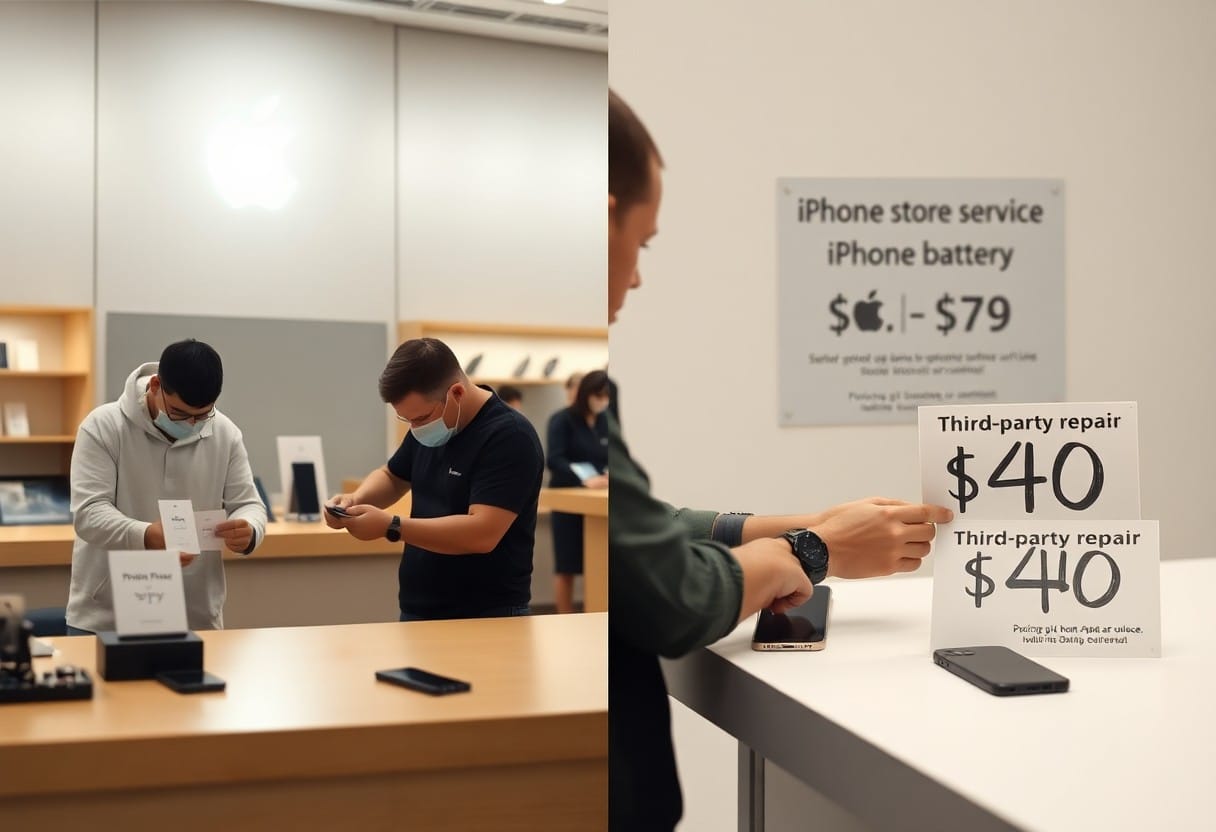
Just replacing your iPhone battery? You have two main paths: Apple’s official service or third-party repair shops. Official replacements cost between $69 and $99, include genuine parts, and preserve your warranty. Third-party options may charge as little as $30, but some use low-quality batteries that can overheat or fail early. Choosing the right option affects your phone’s safety, performance, and longevity.
Key Takeaways:
- Apple’s official battery replacement service typically costs between $69 and $89 for most iPhone models, depending on the region and whether the device is under warranty or AppleCare+ coverage.
- Third-party repair shops often offer battery replacements for $30 to $50, making them a more affordable option for budget-conscious users.
- Official Apple replacements use genuine Apple batteries and are performed by certified technicians, ensuring compatibility and adherence to safety standards.
- Some third-party services use high-quality aftermarket batteries, but others may use lower-grade components that could affect performance, longevity, or safety.
- Choosing a non-Apple repair may void certain aspects of your warranty or trigger error messages on newer iPhones, such as “Unknown Part” alerts for batteries.
- Apple’s service includes diagnostic checks and ensures the entire device is inspected, while third-party shops may focus only on the battery swap.
- Turnaround time at Apple can be longer due to appointment scheduling, whereas many third-party providers offer same-day service.
The Cost of Official Service
Apple’s official battery replacement comes at a premium, typically ranging from $69 to $99 depending on your iPhone model. While this price includes service from certified technicians, you’re also paying for the brand’s assurance. This cost is fixed and transparent, with no surprise fees when you visit an Apple Store or authorized provider.
High Rates for Peace of Mind
You pay more for Apple’s official service, but that fee brings confidence. Every repair follows strict protocols, and your device remains under warranty protection. There’s no risk of damage from improper handling, and service records are logged in your Apple ID for future reference.
The Value of Genuine Parts
Apple uses only genuine batteries designed specifically for your iPhone model. These parts are calibrated to deliver optimal performance and longevity. Third-party batteries may not support full functionality, such as battery health reporting in iOS settings.
When Apple installs a genuine battery, it ensures accurate performance metrics and maintains system stability. These batteries are built to meet Apple’s safety and efficiency standards, reducing the risk of swelling, overheating, or sudden shutdowns. Your iPhone will recognize the battery as original, preserving access to features like optimized charging and real-time health status-something often lost with aftermarket alternatives.
Independent Shop Realities
Many independent repair shops offer iPhone battery replacements at a fraction of Apple’s price, making them an appealing choice. You’ll often walk out with a fixed phone in under an hour. Third-Party vs. Apple Store: Where Should You Get Your … explores what really separates these options beyond cost.
Lower Prices for the Brave
You can save up to 60% compared to Apple’s pricing when choosing an independent shop. Some stores charge as little as $50, a significant drop from Apple’s $89-$99 range. While tempting, lower cost means you assume more risk with parts and labor.
The Quality of Generic Cells
Generic batteries vary wildly in quality-some perform well for months, others fail within weeks. You might get a cell labeled “high quality” that still lacks proper calibration or longevity. Not all third-party batteries are equal, and few match Apple’s strict performance standards.
Manufacturers of generic iPhone batteries aren’t held to Apple’s internal specifications, so real-world performance often falls short. You may notice faster drain, unexpected shutdowns, or swelling over time. While some reputable shops use premium aftermarket cells, others install low-tier batteries with no safety certifications-putting your device and safety at serious risk without you realizing it.
Software and Security
You’ll want to consider how battery replacements affect your iPhone’s software integrity. Choosing third-party services may trigger system alerts, especially on newer models with paired components. For insights, check this Intending to get battery replaced; should I do it through … thread to see real user experiences.
Loss of Battery Health Data
Your iPhone may lose access to accurate battery health metrics after a third-party replacement if the service doesn’t use Apple-certified tools. Without this data, you won’t see the percentage of maximum capacity, making it harder to monitor long-term performance.
System Warning Notifications
You might see a warning like “Unable to Verify This Battery” in Settings after a non-Apple replacement. While the phone still functions, this alert can’t be removed without Apple’s service. It’s a permanent reminder of the swap.
Apple implements these warnings to inform you about potential inconsistencies in battery performance and safety standards. The notification appears because the new battery isn’t paired with your iPhone’s system via Apple’s diagnostic tools. Even with a high-quality third-party battery, the warning remains, affecting your user experience but not device functionality.
Reliability and Safety
Choosing where to replace your iPhone battery directly impacts your device’s safety. Official Apple repairs use certified components designed to meet strict safety standards. If you’re wondering Should I take my iPhone to Apple or somewhere else for battery replacement, know that third-party shops may cut corners with untested parts.
Risks of Thermal Swelling
Low-quality batteries from unofficial providers can overheat, leading to dangerous thermal swelling that warps your iPhone’s screen or chassis. You risk permanent damage or even injury if the battery leaks or ruptures. Apple’s controlled manufacturing reduces this hazard significantly.
Longevity of Official Hardware
Apple’s genuine batteries are built to last and maintain optimal performance over time. You’ll see consistent charge cycles and longer lifespan compared to third-party alternatives that degrade quickly. This reliability ensures your phone functions safely and efficiently for years.
Apple designs its batteries to work in harmony with the iPhone’s power management system, preserving peak performance and calibration accuracy. You benefit from real-time battery health monitoring and iOS-level optimizations that third-party units often disrupt. This integration means fewer unexpected shutdowns and more reliable day-to-day usage over the long term.
Summing up
From above, you see Apple’s official battery replacement costs more than third-party options, but includes genuine parts and warranty protection. Third-party services offer lower prices and faster turnaround, yet vary in quality and may affect your iPhone’s performance. Your choice depends on budget, trust in service providers, and how much you value long-term reliability over immediate savings.
FAQ
Q: How much does Apple charge for iPhone battery replacement?
A: Apple charges $89 for out-of-warranty battery replacement on most iPhone models, including the iPhone 12 through iPhone 15 series. For older models like the iPhone SE (2nd and 3rd generation) and iPhone 8 and earlier, the price is also $89 if the device is no longer under warranty. This service includes genuine Apple parts and is performed by Apple-certified technicians. Pricing may vary slightly depending on region and any ongoing promotions.
Q: Is Apple’s battery replacement service available for all iPhone models?
A: Apple offers official battery replacement for all supported iPhone models, typically those still within the supported software update cycle. Devices older than approximately five to six years may no longer be eligible for service at Apple Stores or authorized service providers. Eligibility also depends on the device’s condition-severely damaged phones may require additional repairs before battery replacement can proceed.
Q: What are the risks of using a third-party shop for iPhone battery replacement?
A: Third-party replacements can be cheaper, often ranging from $30 to $60, but they may use non-genuine batteries that don’t meet Apple’s performance or safety standards. Some shops disconnect the battery incorrectly, which can damage the display or other components. Aftermarket batteries may not last as long, drain faster, or fail to register accurate battery health in iOS. Water resistance can also be compromised if seals aren’t properly reinstalled.
Q: Does Apple use original batteries during official replacements?
A: Yes, Apple uses 100% genuine batteries designed specifically for each iPhone model. These batteries are built to Apple’s specifications and undergo rigorous testing for safety, longevity, and performance. The replacement process also includes recalibrating the battery management system, ensuring accurate battery health readings in Settings > Battery > Battery Health.
Q: Will my iPhone lose water resistance after a third-party battery replacement?
A: Most third-party repairs do not restore the original water-resistant seal. Apple applies a specific adhesive strip during battery replacement to maintain the iPhone’s IP68 rating. Many independent shops skip this step or use inferior materials, which increases the risk of water or dust damage. Even if the phone looks intact, it likely won’t retain its original level of protection.
Q: Can a third-party battery replacement affect iOS features like Battery Health reporting?
A: Yes. iPhones starting with iOS 11.3 include a feature that reports battery health and peak performance capability. If a non-genuine battery is installed, the phone may display a message like “Unable to verify this iPhone has a genuine battery” or disable Battery Health reporting entirely. This message stays even after future official service unless the system is reset by Apple support.
Q: Is it better to go to Apple or a third party for battery replacement?
A: Choosing Apple ensures the use of genuine parts, proper calibration, and preservation of water resistance and warranty status. It also avoids software warnings. Third-party options are cheaper but come with trade-offs in quality, safety, and long-term reliability. For users who prioritize device performance, safety, and resale value, Apple’s service is the safer choice. Budget-conscious users may accept the risks of third-party service, but should select reputable shops that use high-quality components.
Leave a Reply